Paying to sin

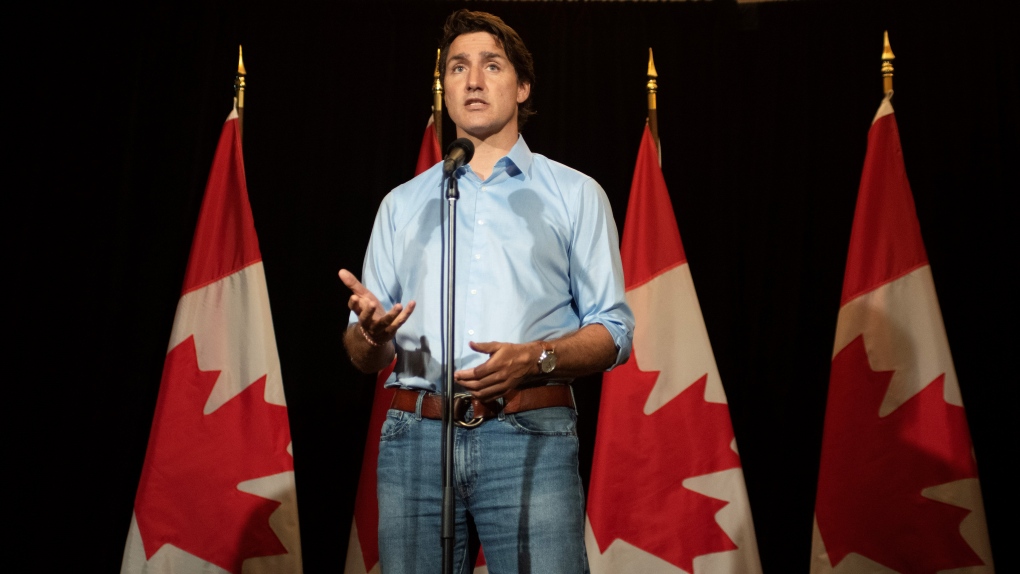
Prime Minister Justin Trudeau makes a statement about the wildfires in Western Canada in Charlottetown, Sunday, Aug. 20, 2023. He and the rest of his cabinet is in the city for a retreat beginning Monday. THE CANADIAN PRESS/Brian McInnis

I am merely a simple man, so I don’t understand the doings of my betters. We are in a climate emergency; I must give up decadent items like plastic wrapped meat to save the planet; however, the government packs up the whole cabinet along with the standard assortment of security, aides and advisors and ships them off to PEI for a Cabinet meeting. How many planes did this take? Why could this meeting not happen in Ottawa when they are all in the city? Are they not worried about their carbon footprint. Why does it seem like they are doing the sort of thing they have passed taxes to disincentivize?

Truthfully, the Ministers meeting offsite is fine with me. It is the hypocrisy of a jet-setting elite imposing evergrowing costs on such things for us. Just as there is the hypocrisy of the elites saying they are worried about high housing and rental costs while profiting from being landlords. 31% of the ministers in the new cabinet are landlords.

The line on the government website is that the carbon tax is a price on carbon pollution. Such a tax is most visible when we use carbon directly, such as by gassing up our cars or heating our homes; however, it works its way into almost every aspect of your life. Food and other goods need to be shipped, which uses fuel. Those costs will be passed on to you. Everything will get more expensive, and that is the point. The taxes have to cause pain to enough people that they change their behaviour. This means eating less meat, driving less, putting off holidays, and delaying significant purchases. “By 2030, when the price of carbon is expected to reach $170 per tonne, most households will see a net loss, despite the rebate payments offered by the federal government to offset the surcharge.” Guilbeault says the rich will pay more because they consume more. This is true, but they are not the ones who will have to scale back their lifestyles; they pay for their sins like old-time Catholics paying for indulgences. They will be able to pay the price to keep their lifestyle or have it paid for by the taxpayers. How much more will it have to hurt before you have to adjust your lifestyle?

The pain is the point, remember that.

Go see a live show, just do it.

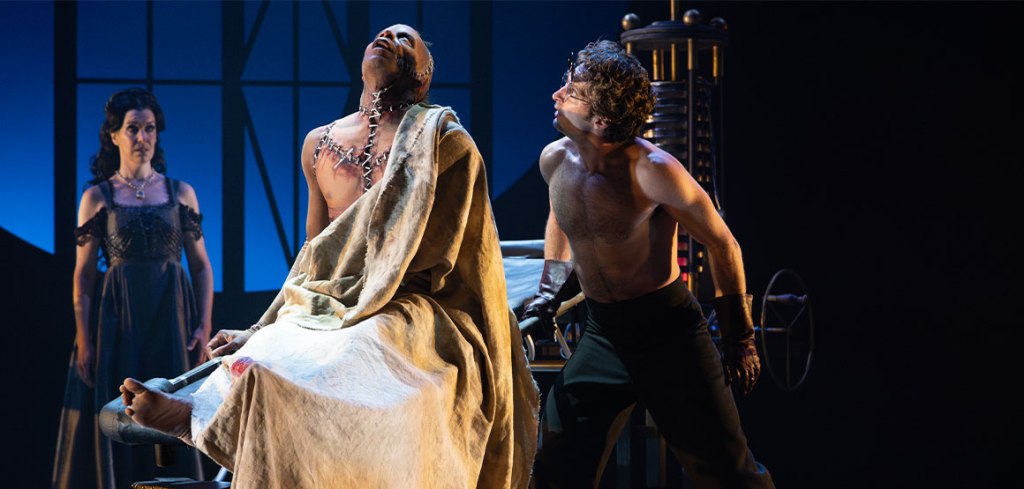
Marcus Nance as The Creature and Charlie Gallant as Doctor Victor Frankenstein with Laura Condlln as Mary Shelley in Frankenstein Revived. Photography by Cylla Von Tiedemann

I went to the theatre in Stratford, Ontario, this weekend. I saw Frankenstein Revived, Spamalot, and King Lear, to be exact. But I don’t intend to review them; they were all great. See them if you have the chance.

This weekend, I was reminded of how unique the live performance experience is. There is something genuinely different about live, in-person performance. There is the sense that the performers are without a safety net; there are no reshoots or edits. In the moment, there is a connection between the audience and the performers that does not happen while listening to an album or watching a screen. There is the fact that every performance will be different.

Go out and see a show; there is magic in seeing the arts live.

Are liberal democracies on the decline?

Photo by Markus Spiske on Pexels.com

I am writing to clarify my thoughts on whether the liberal democracies are in decline, are our best days over, and will my daughter have to settle for a lower standard of living moving into the future?

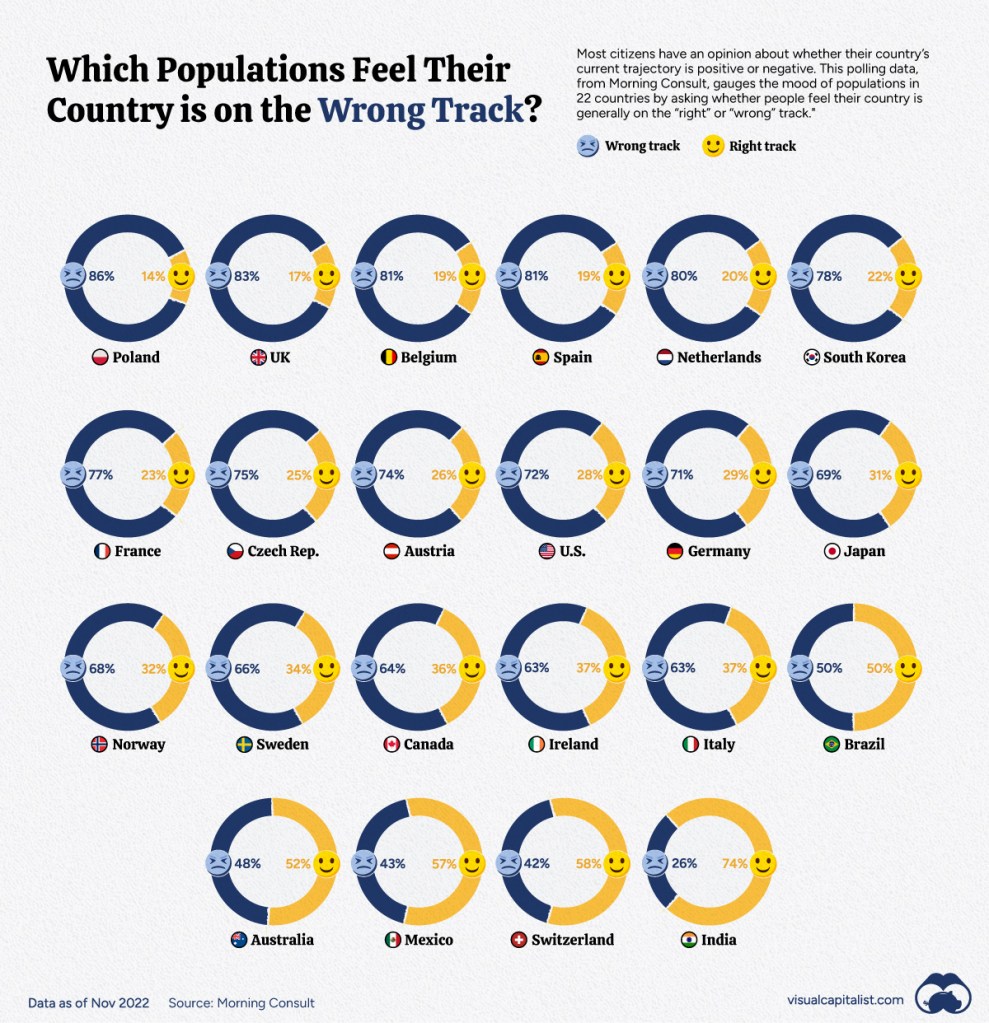
My gut reaction is yes. This appears to be a widely felt feeling; pessimism is growing; gaps between rich and poor are spreading; inflation and interest rates seem out of control; and our civil institutions have lost the people’s trust. Only 39% of Canadians think our country is on the right track. Only 20% of Americans think their country is on the right track. “We have never before seen this level of sustained pessimism in the 30-year-plus history of the poll”. These sorts of numbers are repeated throughout the Western world. 

Liberal democracies are facing the rise of geopolitical challengers and have seen increasing illiberalism internally on both sides of the political spectrum. Could they tear themselves apart through internal struggles or fall behind the other global powers? Is this inevitable? Is the best we can hope for is a gradual and genteel decline? 

I hope not. Besides being my selfish reasons for wanting continual growth, prosperity and freedom, it is better for the world as a whole that we remain so. While things are not looking great right now, some historical perspective might help. 

The liberal democratic order has seemed in danger before. The late ’60s and 70s and early ’80s were a time of tension, with civil unrest, unpopular and unsuccessful wars, economic stagflation and global communism on the march. Crime in the US spiked, and people felt the civil order was collapsing. The movies of the period and the early 80s resonated with distrust of government and society decay. Yet just over a decade later, the USSR had fallen, democracy was rising worldwide, and the West’s technological abilities were light years ahead of the rest of the world. The USA was left as the world’s hyperpower and political scientists had declared liberal democracy had won, and we had reached the end of history. 

In the ’30s, the Western liberal democracies were suffering through the economic crisis of the great depression; strongmen like Hitler, Mussolini and Stalin seemed like models of the future and imperial Japan on the march. Yes, it required World War Two to reestablish liberal democracies as the primary force in the world and a bulwark against the forces of communism. Still, we emerged from that crisis in a much stronger position that looked possible a decade earlier. 

The point of these two examples is that liberal democracy is often counted out but has proven highly resilient, and it would be a mistake to assume the worst currently. But Liberal democracy does not just survive because it is destined to; it requires that its citizens believe in it and, if needed, fight for it.  

AI, the scary future!

This is my second post about AI; the first was positive and upbeat. I was impressed with ChatGPT’s capabilities and saw it opening new ways of doing creative work. I still think that is possible, but the writer and actor strikes are showing the dark side of its use. Scanning actors once and having total control over their image forever seems creepy. Netflix’s plans for using AI seem to further this trend.

AI could be one most powerful technological changes in history. It will displace workers in a large number of areas; the question is what happens to those displaced. “The Luddites were a secret organisation of workers who smashed machines in the textile factories of England in the early 1800s, a period of increasing industrialisation, economic hardship due to expensive conflicts with France and the United States, and widespread unrest among the working class. They took their name from the apocryphal tale of Ned Ludd, a weaver’s apprentice who supposedly smashed two knitting machines in a fit of rage.” However, while the machines displaced workers and caused suffering, new jobs were created by industrialization and standards of living rose in response to increased efficiency. The question is will this pattern repeat itself, or is AI a completely different beast.

What happens if it replaces jobs and does not create new ones for those displaced? What if the new jobs require skills and abilities that exclude a great many people? I have no doubt that there will be jobs in the future that we can not currently imagine, but will they be only for the few? What happens to those left behind by the forces of technology. Do we enter a world where AI and technology allow a great many people to live lives free of work, where we all receive some sort of Universal Basic Income or do those displaced become a permanent underclass.

I don’t pretend to know where any of this is going, but I hope we avoid a future where humans do crap jobs and while AIs create our cultural products.

What do you think, are we headed to a UBI utopia or a hellscape where a small elite benefits and the rest of us are left without meaningful work and live much poorer lives than we currently do? I hope for the best but fear the worst.

The secret to slowing down time.

“Yesterday’s the past, tomorrow’s the future, but today is a gift. That’s why it’s called the present.”

Bill Keane

I turned fifty today. I, in the last week, have done a lot of thinking about how fast the time has gone. It took forever to get through my teens. My twenties went by a little faster but not too bad. My thirties and forties flew by and here I am at fifty.

But I think I have figured out how to slow down time. The key is novelty. In your teens everything is new and novel. Somewhere in the twenties, people start falling into routines and time speeds up. And this trend continues for most people. 

 But my last year has seemed much longer because I decided to embrace trying new things, things that push me out of my comfort zone. Start a blog, travel, talk to strangers, sign up for something different, say yes to stuff that challenges you, try different music and you just might find time slowing down again.

I am actively trying to regain a sense of wonder in the world. There is a lot of amazing stuff going on, and I want to experience it. 

What are you going to do today that slows down time?

Looking silly

“Everything you’ve ever wanted is sitting on the other side of fear” George Addair

My reworking is that everything you’ve ever wanted is sitting on the other side of looking silly.

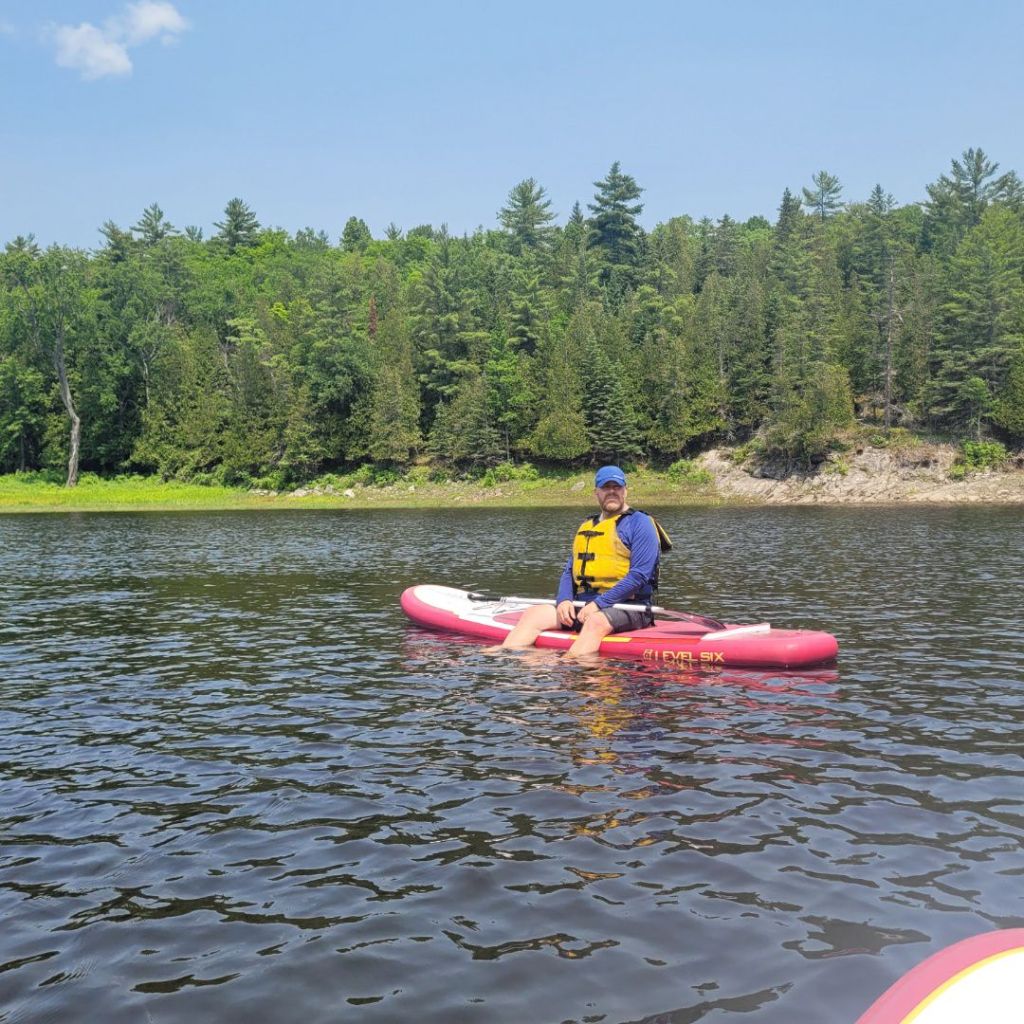
I went standup paddleboarding yesterday. I have horrible balance and no experience, but I went and did it anyway.

An earlier version of me would have avoided standup paddleboarding because I knew I would look silly. But I went and did it. Did I look silly, sure. Did I fall a bunch, you betcha. Did anyone care, no!

I have figured out that the fear of looking silly is the wrong approach. I am approaching trying new things with a learning mindset. Trying new things always risks looking silly but often you are the only one who cares.

I urge you to shed the fear of looking silly and take the leap into the unknown. Remember that the opinions of others matter far less than your own personal growth and fulfillment. By embracing the joy of looking silly, you’ll discover a world of endless possibilities and experiences waiting to be explored. So, go ahead, step onto that metaphorical paddleboard and navigate through the waters of life with an open mind and a heart unburdened by the fear of judgment

Group dynamics

The thing about signing up for group activities with a group of people you don’t know is that you get to live and work with people you don’t know.

In a new group there are going to be people you like and those you don’t. I have decided that rather than be irritated by some of those people I want to use it as a learning experience.

Often those that irritate us are those we can learn the most from. What is it I am finding irritating. Is it a mirror on me. Does that person reflect something that I don’t like or fear about myself. Do they represent something I want to be myself.

Being irritated is a low energy state, learning and being curious is a higher energy.

Note this is all aspirational. I still get irritated all the time but I am trying to do better.

Throughout writing this I kept writing irradiated instead of irritated. I don’t  recommend getting irradiated as a learning experience.