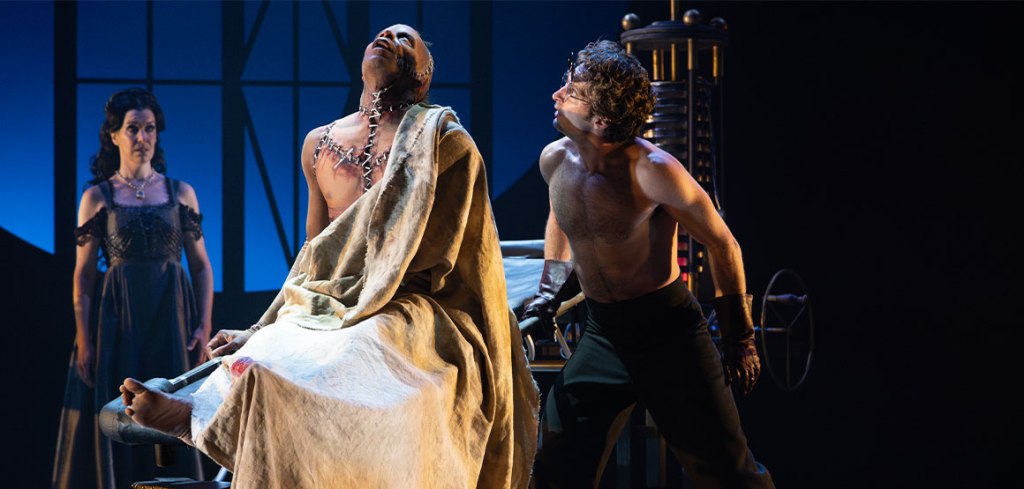
Marcus Nance as The Creature and Charlie Gallant as Doctor Victor Frankenstein with Laura Condlln as Mary Shelley in Frankenstein Revived. Photography by Cylla Von Tiedemann
I went to the theatre in Stratford, Ontario, this weekend. I saw Frankenstein Revived, Spamalot, and King Lear, to be exact. But I don’t intend to review them; they were all great. See them if you have the chance.
This weekend, I was reminded of how unique the live performance experience is. There is something genuinely different about live, in-person performance. There is the sense that the performers are without a safety net; there are no reshoots or edits. In the moment, there is a connection between the audience and the performers that does not happen while listening to an album or watching a screen. There is the fact that every performance will be different.
Go out and see a show; there is magic in seeing the arts live.
I am writing to clarify my thoughts on whether the liberal democracies are in decline, are our best days over, and will my daughter have to settle for a lower standard of living moving into the future?
Liberal democracies are facing the rise of geopolitical challengers and have seen increasing illiberalism internally on both sides of the political spectrum. Could they tear themselves apart through internal struggles or fall behind the other global powers? Is this inevitable? Is the best we can hope for is a gradual and genteel decline?
I hope not. Besides being my selfish reasons for wanting continual growth, prosperity and freedom, it is better for the world as a whole that we remain so. While things are not looking great right now, some historical perspective might help.
The liberal democratic order has seemed in danger before. The late ’60s and 70s and early ’80s were a time of tension, with civil unrest, unpopular and unsuccessful wars, economic stagflation and global communism on the march. Crime in the US spiked, and people felt the civil order was collapsing. The movies of the period and the early 80s resonated with distrust of government and society decay. Yet just over a decade later, the USSR had fallen, democracy was rising worldwide, and the West’s technological abilities were light years ahead of the rest of the world. The USA was left as the world’s hyperpower and political scientists had declared liberal democracy had won, and we had reached the end of history.
In the ’30s, the Western liberal democracies were suffering through the economic crisis of the great depression; strongmen like Hitler, Mussolini and Stalin seemed like models of the future and imperial Japan on the march. Yes, it required World War Two to reestablish liberal democracies as the primary force in the world and a bulwark against the forces of communism. Still, we emerged from that crisis in a much stronger position that looked possible a decade earlier.
The point of these two examples is that liberal democracy is often counted out but has proven highly resilient, and it would be a mistake to assume the worst currently. But Liberal democracy does not just survive because it is destined to; it requires that its citizens believe in it and, if needed, fight for it.
This is my second post about AI; the first was positive and upbeat. I was impressed with ChatGPT’s capabilities and saw it opening new ways of doing creative work. I still think that is possible, but the writer and actor strikes are showing the dark side of its use. Scanning actors once and having total control over their image forever seems creepy. Netflix’s plans for using AI seem to further this trend.
What happens if it replaces jobs and does not create new ones for those displaced? What if the new jobs require skills and abilities that exclude a great many people? I have no doubt that there will be jobs in the future that we can not currently imagine, but will they be only for the few? What happens to those left behind by the forces of technology. Do we enter a world where AI and technology allow a great many people to live lives free of work, where we all receive some sort of Universal Basic Income or do those displaced become a permanent underclass.
I don’t pretend to know where any of this is going, but I hope we avoid a future where humans do crap jobs and while AIs create our cultural products.
What do you think, are we headed to a UBI utopia or a hellscape where a small elite benefits and the rest of us are left without meaningful work and live much poorer lives than we currently do? I hope for the best but fear the worst.
I decided that Facebook would be the least toxic and rage baity, and it was, in reality, pretty good. I enjoy seeing people in my life do well, except for that one guy; he knows who he is. As I was saying, Facebook was not a bad experience. I notice less news in my feed, which might be good for avoiding rage bait, but I think the fallout from Bill 18 has left many people less informed, as I suspect many people now basically stumble on to news stories rather than read news sites or get a paper.
I still will ensure I am not clicking on stories designed to cause outrage. But I will dip my toe back into Facebook. Twitter is far too well designed to generate a reaction for me to return to for a while.
I have been calmer and less stressed since being off Twitter (or is it now X) and my angry political podcasts. I am going to be watchful over I am feeding my brain.
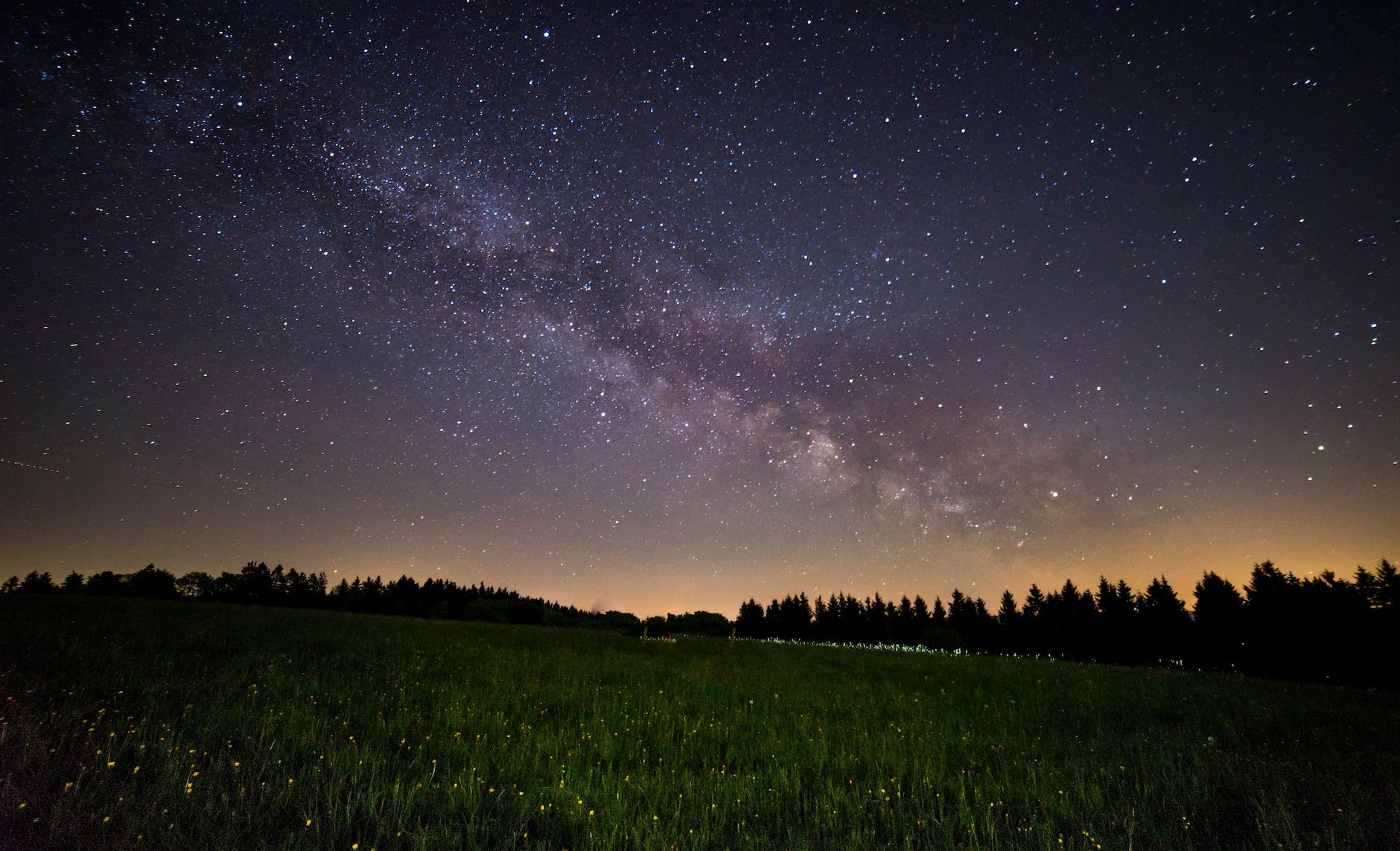
I spent last week in a cabin in the woods. One of the best things about that experience was enjoying the night sky. On a clear night, I could see the Milky Way and constellations normally concealed by city lights. It has been a while since I have seen the sky with such clarity. For me, the stars have always created a sense of wonder. We all should aim to get out where we can see the stars regularly. It can help to get perspective on what matters and what does not.
I started reading “change your questions, change your life” by Marilee Adams, and yes, it is all lowercase. I have yet to get far enough to have much of an opinion. Still, the title got me thinking about the quality of the questions I am asking myself.
We are an answer-driven society. But the answers depend on the questions, and maybe we don’t spend the time we should thinking about our questions. I, in the past, tended to ask unkind questions of myself. “What’s wrong with me?” or “how do I do everything I need to do?”. I think better questions would have been “how can I improve?” and “what really deserves my focus?’. The answers to the first two questions were “lots, let me make a list.”, and “I can’t, and I am going to fail.” The second set of questions seems more growth-minded and less limiting.
Are you asking good questions? If not, how can you upgrade them?
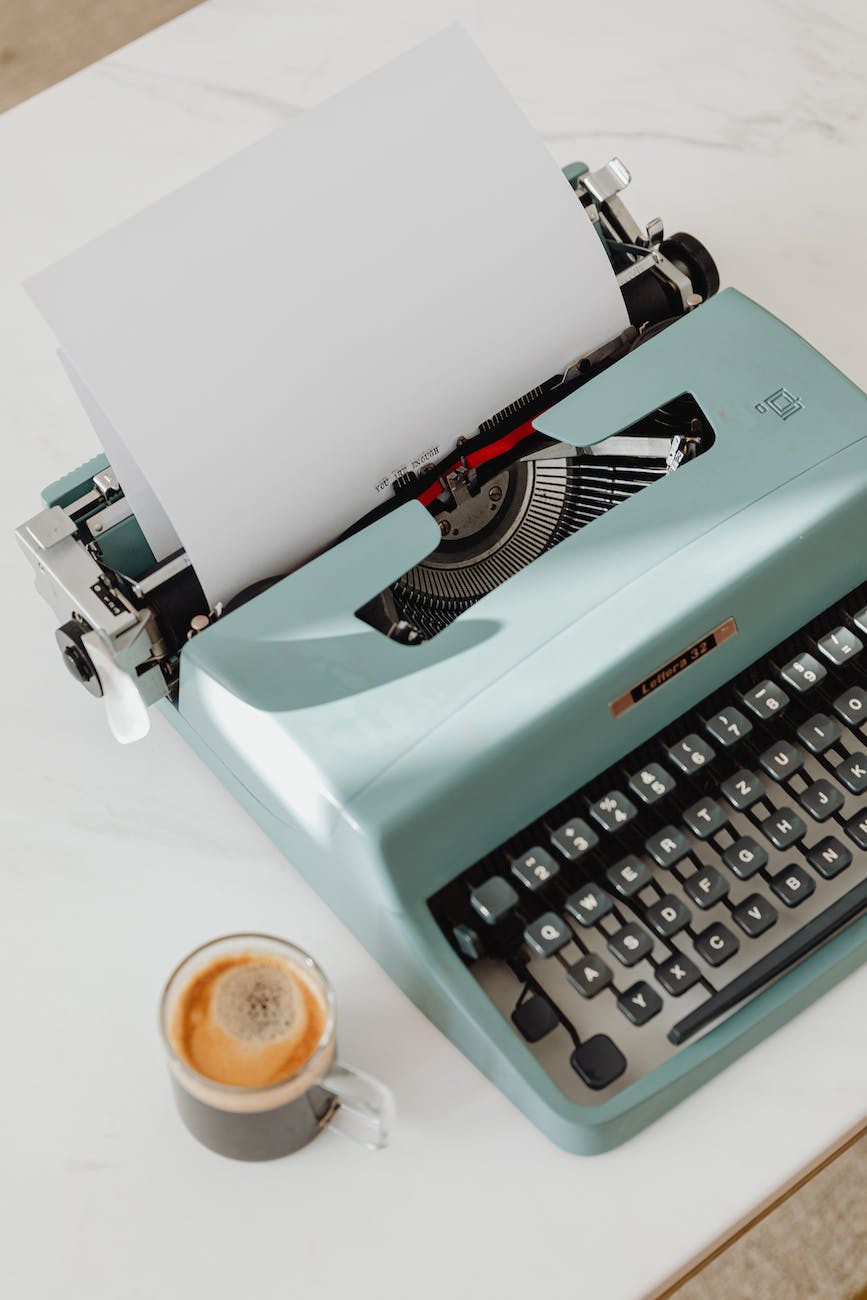
The honest answer is that I have always wanted to maintain a regular writing habit. I find that I tend to think best when I think out loud or on the page, so I decided I would make a post a day and see if it helped work out some ideas. I like to write to figure out what I think. I am hoping to unblock some creativity.
Ok, so I could have done that in a journal or a Word doc; so why a blog where people can see it. (Of course, this audience is more notional than real.) There are three main reasons: firstly, it scared me. One of my concerns with getting older is falling into patterns where I am no longer challenged in some way. Writing in a public fashion, makes the whole thing seem a little more serious and makes me want to be clearer in my thoughts than I would be if I was writing for myself.
I spend money on getting a two-year subscription to WordPress. I hope that the idea I am wasting money by not posting will make me post daily. (This technique has failed me in the past, as my Planet Fitness membership demonstrates.) I spent the money upfront, I might as well use the tools for which I paid. ( I Plan to go to the gym tomorrow, for real this time.)
Finally, I did it without really thinking about it, and that is on purpose. I tend to plan rather than do. I have had many periods where I read fitness books rather than work out, read productivity books rather than work on the project that needed doing and so on. I had the thought I wanted to try a blog and rather than do a bunch of research and never get around to a blog, I figured I would just start one. I will figure out the features of WoodPress as I go. I likely have made mistakes and maybe could benefit from spending some time watching tutorials, but I wanted to get in motion rather than having a good plan which is never executed. I will get better by doing.
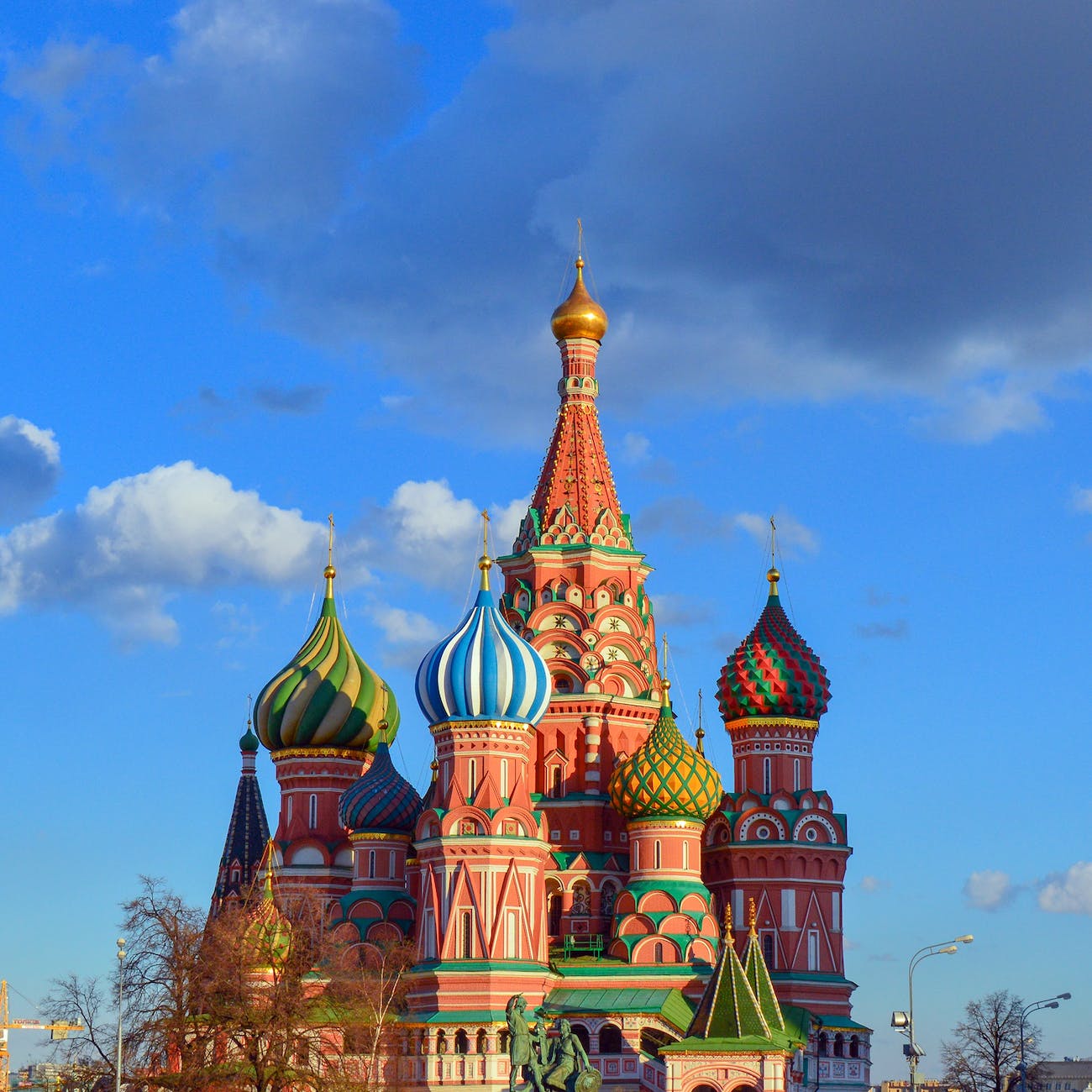
I am surprised that the Russia situation seems to have stepped back from the abyss. I thought that once Wagner started advancing on Moscow that there was no turning back. It appears I was wrong about this. I would love to know that reassurances were given to Prigozhin that he won’t fall out a window. Hopefully, the situation gave some advantage to Ukraine.
I do think that the last 24 or so hours have shown that there are underlying tensions in the Russian state. We will see if Putin can suppress or heal these tensions or will the situation slip out of his control.
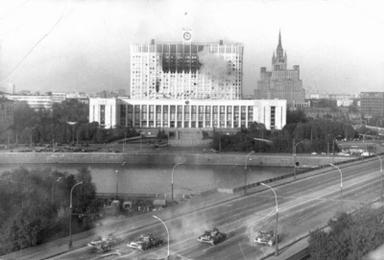
Just under 30 years ago, there was a Coup attempt in Russia. While the causes of the current Wagner situation are quite different than that event, it shows, along with the 1991 coup, that there are deep issues in the Russian nation, and the tectonic plates of the Russian power structure may be shifting once again.
I am not sure what the outcome of this will be, or even what I hope will happen. I am worried that it is going to get far more violent and dangerous than these previous events. I hope I am wrong, but fear I am not. I will be delighted to be wrong, but there is a history in Russia of unpopular wars causing revolts.
“Yesterday’s the past, tomorrow’s the future, but today is a gift. That’s why it’s called the present.”
Bill Keane
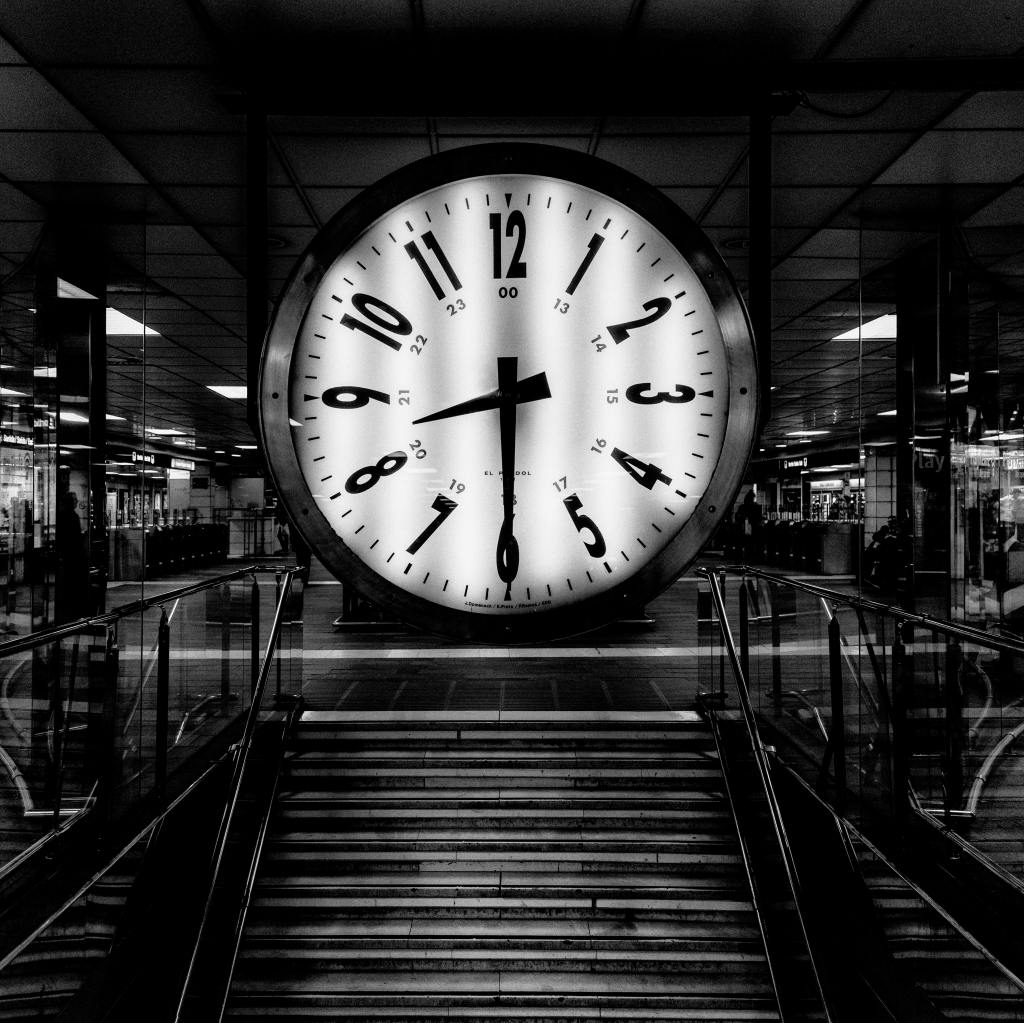
I turned fifty today. I, in the last week, have done a lot of thinking about how fast the time has gone. It took forever to get through my teens. My twenties went by a little faster but not too bad. My thirties and forties flew by and here I am at fifty.
But I think I have figured out how to slow down time. The key is novelty. In your teens everything is new and novel. Somewhere in the twenties, people start falling into routines and time speeds up. And this trend continues for most people.
But my last year has seemed much longer because I decided to embrace trying new things, things that push me out of my comfort zone. Start a blog, travel, talk to strangers, sign up for something different, say yes to stuff that challenges you, try different music and you just might find time slowing down again.
I am actively trying to regain a sense of wonder in the world. There is a lot of amazing stuff going on, and I want to experience it.
What are you going to do today that slows down time?











 retirereadreflect.ca